
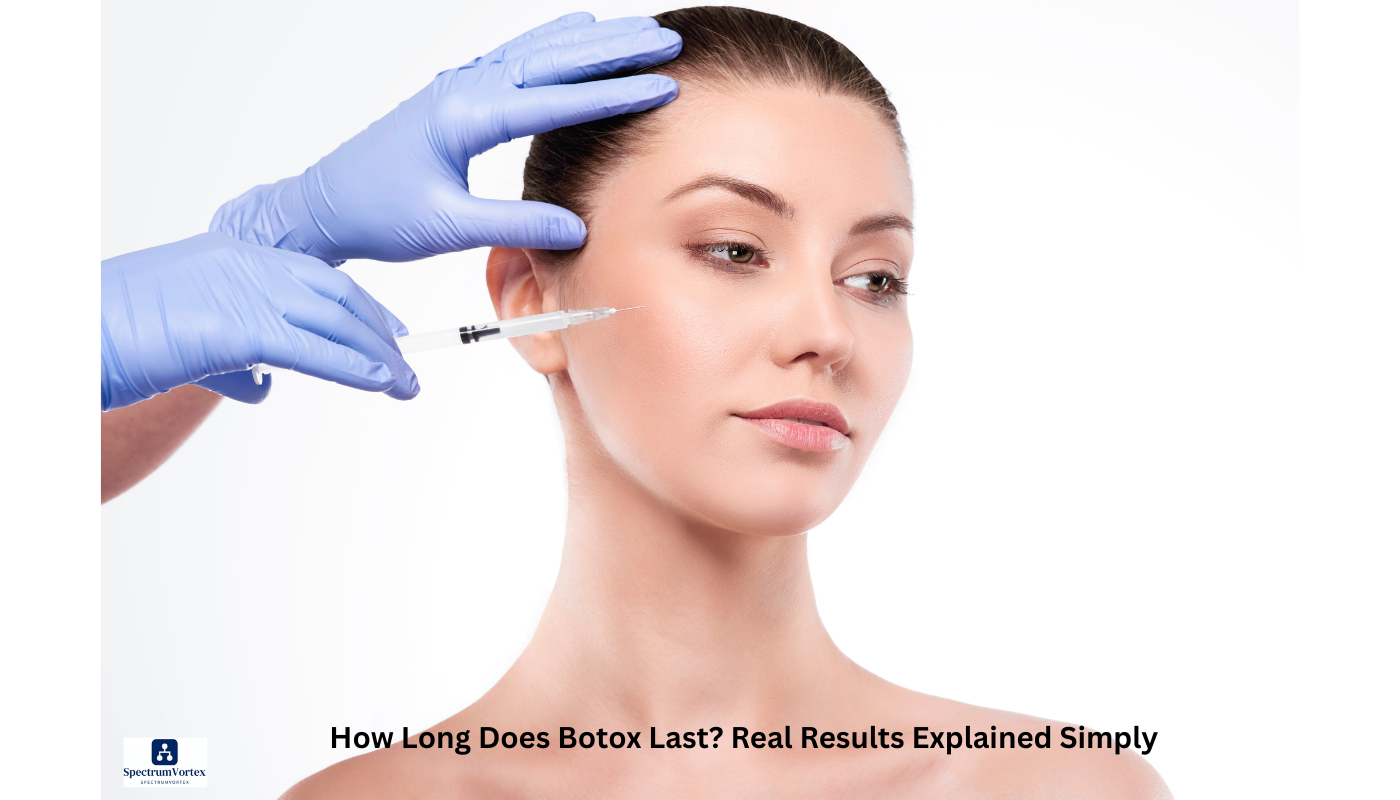
Why Understanding Botox Timing Changes Confidence Before Anything Else
The question How Long Does Botox Last often carries more emotion than it appears on the surface. It usually shows up during a moment of pause. Someone may be close to booking but still unsure. The concern is rarely about the treatment itself. It is about timing, control, and how long change will be visible on a very personal level.
This guide exists to remove that quiet uncertainty. Botox content online often swings to extremes. Some articles imply results last forever. Others make Botox sound fleeting and unreliable. Neither reflects how Botox works in real life. The truth sits in the middle, where results are temporary, predictable, and adjustable over time.
In 2025, Botox decisions are more thoughtful than ever. The goal is no longer a frozen face. People want relaxed expressions, subtle changes, and results that fit naturally into their lives. Timing matters because it affects work schedules, social plans, and emotional comfort with change.
This article explains Botox timing in clear language. It covers when results start, how long they stay, what fading looks like, and why results differ between people. The benefit is clarity. With clarity comes confidence, and confident decisions almost always lead to better experiences.
What Botox Actually Does Inside the Face and Why That Matters
Botox works by calming specific facial muscles that create lines through repeated movement. These include muscles involved in frowning, squinting, or lifting the brows. When Botox is injected, it temporarily blocks nerve signals to those muscles, reducing how strongly they contract.
This reduction in movement allows the skin above the muscle to rest. Over time, lines soften because the skin is no longer being folded as deeply or as often. The change happens gradually, which is why Botox results feel subtle rather than sudden.
Botox does not fill wrinkles, tighten loose skin, or change facial structure. Its role is limited and targeted. That limitation is significant because it preserves natural expression and prevents dramatic shifts in appearance.
Medical guidance from US professional organizations explains that Botox effects fade as nerve signals slowly return. The American Society of Plastic Surgeons explains this clearly in its overview of how long Botox results typically last, noting that muscle activity gradually resumes over several months.
Understanding this process sets realistic expectations and prevents disappointment.
What Botox does and does not do
- Relaxes targeted muscles that cause expression lines
- Reduces the depth of movement-based wrinkles
- Preserves natural facial motion
- Does not repair skin damage
- Does not create permanent results
How Long Does Botox Last for Most People Without Guesswork
For most people, Botox lasts between three and four months. This range appears consistently across clinical settings and patient reports in the United States. While there is some variation, this timeframe represents the most reliable average.
Results do not appear immediately. Early changes may occur within three to five days, but full results usually take 10 to 14 days. During this period, muscles gradually relax, and the face appears smoother during expression.
Once Botox fully settles, results remain stable for several weeks. This is often the phase people enjoy most. The face feels calm, lines appear softer, and expressions still feel natural.
Medical providers describe this pattern clearly. The Cleveland Clinic explains in its overview of botulinum toxin injections and expected duration that Botox effects typically last about three to four months before muscle activity slowly returns.
The fade does not happen overnight. Muscles regain movement gradually, which helps changes remain subtle.
A realistic Botox timeline
- Days 1 to 3: little visible change
- Days 7 to 14: full results develop
- Weeks 3 to 10: steady appearance
- Months 3 to 4: gradual return of movement
Why Botox Duration Feels Different From One Person to Another
Botox does not behave the same way in every face. Muscle strength plays a significant role. Stronger or more active muscles often shorten the duration of results because they work harder against the medication.
Metabolism also matters. People with a faster metabolism may break down Botox more quickly, reducing its longevity. Lifestyle factors, such as frequent high-intensity exercise, may also influence duration.
First-time users often notice shorter results. Muscles that have never been treated tend to recover faster. With repeated sessions, muscles may weaken slightly, allowing Botox to last longer.
Treatment area matters too. Forehead muscles move constantly, so Botox there may fade sooner than in regions like crow’s feet.
Factors that affect duration
- Muscle size and activity level
- Accuracy of placement
- Area being treated
- Stress-related facial habits
- Consistency of treatments
What Botox Results Look Like as Time Passes Naturally
Early Botox results feel subtle. Lines soften during movement, but the face still reacts normally. There is no frozen look when treatment is done correctly.
At peak results, expressions feel smoother and more relaxed. Many people notice they look more rested rather than different. Comments from others tend to focus on appearance, with a focus on looking refreshed.
As weeks pass, muscle movement slowly returns. This return often happens before lines fully reappear. Because the process is gradual, most people do not notice a sudden change.
This natural progression allows people to decide calmly whether and when they want repeat treatment.
What people often notice
- Softer facial movement
- Preserved expressions
- Gradual return of muscle activity
- No sharp drop in results
- Flexibility in timing
How Often Botox Should Be Repeated for Balance and Comfort
Most professionals recommend Botox every three to four months. This spacing maintains relaxed muscles without over-treatment.
Repeating Botox too soon can dull expression and reduce comfort. Waiting too long may allow lines to deepen again. The ideal schedule depends on individual response, not a fixed rule.
Tracking how results fade helps guide future timing. Some people extend sessions as muscles weaken. Others prefer steady intervals.
Balanced scheduling supports long-term satisfaction.
Smarter scheduling habits
- Avoid early touch-ups
- Monitor when movement returns
- Adjust timing gradually
- Prioritize comfort
- Respect natural motion
Why Longer Lasting Botox Is Not Always the Right Goal
Longer-lasting Botox may sound appealing, but duration alone does not guarantee better results. Faces need movement to express emotion and connection.
Over-treating muscles can flatten expressions and make them feel uncomfortable. Many people find that lighter doses with natural movement feel better long term.
Some prefer smaller amounts more often. Others prefer stronger treatments less frequently. The best approach depends on comfort, not longevity.
The most successful results feel familiar and balanced.
Healthy reminders
- Movement supports expression
- Comfort matters more than duration
- Subtle results feel natural
- Balance creates confidence
What Skill and Technique Mean for Botox Results
Botox outcomes depend heavily on technique. Placement, dosage, and understanding facial movement all matter more than the product itself.
Skilled providers focus on harmony rather than eliminating every line. They respect how the face moves and aim for balance.
Clear communication is essential. Providers should explain timing, fading, and expectations before treatment begins.
Safety and precision support consistent results.
What to prioritize
- Clear explanations
- Conservative approach
- Facial balance awareness
- Respect for expression
- Honest guidance
What First-Time Botox Users Should Expect About Timing
First-time users often feel unsure in the early days after treatment. Results develop slowly, which can feel confusing without clear expectations.
Initial treatments may wear off faster. This is normal and does not indicate failure. Muscles respond differently during early sessions.
Over time, results often become more predictable. Many people feel more confident after completing one full treatment cycle.
Patience is part of the process.
Helpful first-time tips
- Expect subtle early changes
- Wait two weeks before judging results
- Observe changes calmly
- Avoid rushing repeat treatment
- Ask questions freely
How Lifestyle Habits Can Affect Botox Longevity
Daily habits influence how long Botox lasts. Stress can increase facial tension and shorten results. Repeated expressions may also play a role.
Exercise affects metabolism. High-intensity routines may reduce duration for some individuals.
Sun exposure affects skin quality, which influences how results look as Botox fades.
Balanced habits support better outcomes.
Lifestyle factors to consider
- Manage stress levels
- Be mindful of facial tension
- Protect skin from the sun
- Maintain consistent routines
- Support skin health
Why Knowing Botox Timing Changes the Entire Experience
Understanding the timing of Botox removes fear and pressure. When people know what to expect, decisions feel calmer and more controlled.
Predictable timelines allow better planning. There is no rush to fix or repeat treatment out of anxiety.
Confidence grows when expectations match reality. That confidence often reflects in facial expression and comfort.
Botox works best when approached thoughtfully rather than reactively.
Final Thoughts and a Confident Path Forward
Botox is temporary by design, and that is its strength. It offers flexibility, control, and the ability to adjust over time. Knowing how long results last turns uncertainty into calm, planned action.
This guide exists to support informed decisions, not rushed ones. Understanding timing, balance, and natural fading makes Botox feel manageable rather than intimidating.
We believe clarity leads to confidence. When people know what to expect, they make better choices and enjoy results more.
If Botox is part of your journey, stay curious. Track how your face responds. Choose balance over extremes. Move forward with knowledge, not pressure.
Confidence grows from informed decisions, and that always shows.
 admin
admin